
On this page
While it may not be something we do on a regular basis, the idea of steam cleaning your walls is something you should consider every now and then. The best time to do this is particularly during events like spring cleaning, winter cleaning, or simply after recovering from an illness wherein the walls and the rest of your house should be disinfected. Here, steam cleaning is not only effective in killing pathogens and germs, but it’s a fairly convenient process, too.
Of course, as with many cleaning methods that are simple to follow, there are a few things to know in order to steam clean your walls correctly. In fact, it is very possible to worsen the situation on your wall with a steam cleaner if you are doing it without taking a few things into consideration.
Can You Steam Clean Your Walls?
Unfortunately, not all walls will have a positive outcome against steam cleaning; therefore, it is important to understand the type of finish used on your wall before you even consider steam cleaning as an option. With that said, most types of walls and paint finishes don’t have trouble with steaming, but it certainly pays to know what the exceptions are.
We are addressing these because knowing whether or not to steam your wall is the difference between cleaning it, and damaging it!
Water-based paints are definitely susceptible to damage from steaming, as well as wallpaper. In fact, wallpaper can be removed by treating it with steam, so it’s best to avoid using a steamer unless you plan to change the wallpaper. Beyond this, wooden walls aren’t meant to be steam cleaned either as the heat and moisture could potentially warp the wood itself. Similarly, anything that hasn’t been sealed like flooring and panelling, should not be steam cleaned either, as it can cause irreparable damage to the material.
Why You Should Steam Clean Your Walls
The thing about walls is that they have a lot more contact with things around them (including us) than we realise. Between dirt and dust from the environment, pets brushing up against the surface, kids drawing and leaning on them, smoke staining from previous homeowners, cooking residue, and whatnot else, there are several different ways a wall could get dirty, unsanitary, and eventually stained.
The problem here is that even if it may not seem like it’s been stained or it’s catching dirt to the naked eye, it probably is anyway. The dirt settles on very slowly, and you most likely won’t notice it until the walls begin to look discoloured. This is why it is worth steam cleaning your walls at least once a year, and even more often if you are dealing with a lot of buildup between cleans.
What’s the Best Steamer to Use on Walls?
With the wall-types addressed, it’s fairly simple to choose a steam cleaner. Whether it is a hand-held unit, or a heavy-duty one with all the extra attachments, you can get the job done with any model. The most crucial thing to do is to follow the manufacturer’s instructions, and to ensure that you are constantly moving the steamer across the wall while cleaning. This prevents moisture buildup and potential burns on the surface.
How to Steam Clean Walls in 4 Steps
Now let’s get to the part where you turn your dirty walls into freshly steam cleaned and sanitised walls! Follow the steps below to ensure that you get the job done safely and effectively.
Ready the Wall
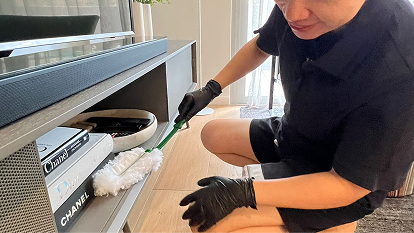
Before you begin the process of the cleaning itself, we must ensure there’s no possibility of anything else getting damaged. Working with hot steam can cause damage to things around it; this is especially true for any furniture or picture frames you may have near or on the wall. Shelves, fixtures, or anything that isn’t the wall itself, must be covered properly, or moved away before you begin. Beyond this, giving the wall a good dusting gets rid of any debris and dust, helping the steamer work better.
Prep the Steamer
The rules here are fairly straightforward – follow the instructions provided in the user guide. Questions like how much water must be used in the reservoir, how hot it must be, etc. are generally provided in the instructions for these steamers, so it’s best to follow that. If you can’t find what you are looking for, check the manufacturer’s website for more information on how to use the steam cleaner model you have.
Spot Test First
Spot testing any new process is vital because you could potentially make things worse than better if you are handling something you are not used to. Testing your steam cleaner on an inconspicuous area of the wall such as behind furniture or a picture frame can help you understand how the cleaner works against your particular wall type. Try releasing some steam against the wall about 6 inches away from it, and wipe the wall down with a microfibre cloth after. Doing this will help you understand how reactive your wall is to the steam.
Begin Steam Cleaning
If there is no damage from spot testing the wall, you can proceed with the cleaning. Start with the steam nozzle kept a steady 6 inches away from the wall, and begin from top-to-bottom as the water will drip down. Beyond this, ensuring the steamer is constantly moving prevents too much heat from building up in one place which could lead to burns. After steaming a section, wipe the wall down with a clean microfibre cloth to get rid of dripping water and any other dirt that the steamer is now drawing out. Repeating this process for the whole wall should yield you the results you are looking for, just be sure to use a clean or fresh side of the microfibre cloth as you go.
When to call a professional
Wallpaper, water-based paint, timber and unsealed panelling should not be steamed, so walls with these finishes need a gentler approach or advice from a painter. For marked and grubby walls when you are moving out, wall cleaning can be handled as part of a professional end of lease clean.
Conclusion
Steam cleaning is a simple and effective way to disinfect walls and remove dirt and stains. What’s crucial in this process is to first ensure that your wall type and finish is suitable for steam cleaning in the first place, and secondly, following the manufacturer’s instructions for proper use of the steamer. Other than that, the process is very simple, and just needs a fair amount of effort to get desirable results. We include the cleaning of walls as an included extra as a part of our end of lease cleaning service. Moving out and need your walls cleaned? Book a clean with us today.