
Cleaning Tips, Guides & Resources
What Is Bond Cleaning? A Sydney Guide to End of Lease Cleaning and Inspections
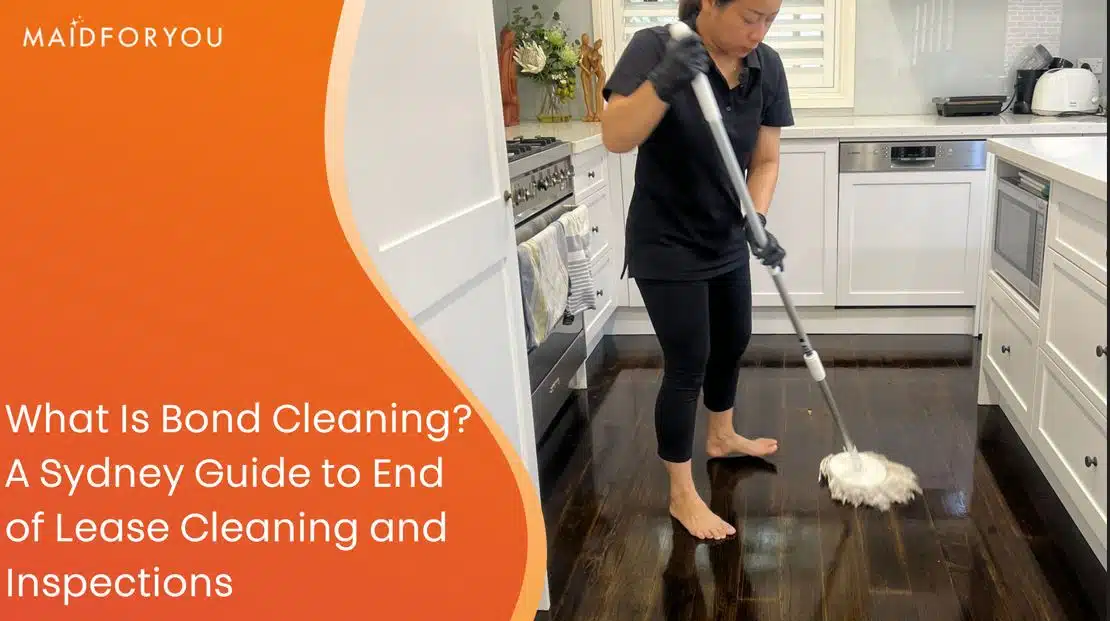
After overseeing bond cleans across Sydney for 12 years, we’ve seen what passes inspections and what fails.
When you rent a house anywhere in Australia, bond cleaning is almost always mentioned in the lease agreement. It comes into play at the end of a lease and can feel a little overwhelming for those who don’t know what it entails. That’s what we’re here for; in this guide, we’re explaining everything you need to know about bond cleaning — what it is, why it matters, and what’s expected — so you can get your bond back without a hassle.
We’ve completed close to 20,000 end-of-lease cleans across Sydney since 2014. We’ve seen it all: what property managers are picky about, what fails even when you have stellar incoming and outgoing reports, and what gets tenants their bond back in full.
The Thing Tenants Get Wrong Before They Even Start
Most tenants think of bond cleaning as a standard deep clean, one that can be done with a few multipurpose sprays and a free afternoon. This is the mindset that costs most Sydney tenants money.
A standard deep clean may rejuvenate a lived-in furnished home, but it doesn’t restore a property's condition that’s documented in an ingoing and outgoing condition report. A deep clean doesn’t necessitate the cleaning of walls, rangehood filters, dishwasher filters, removing mould from ceilings and cornices, cleaning the interior of exhaust fans, or removing mould from shower stall silicone.
Sydney property managers have specific workflows to check these areas. We know this after dealing with a fair few callbacks from the bond cleans we’ve conducted to date. Usually, the areas that cause the bond clean to not pass in the eyes of a property manager aren’t the most obvious ones.
Bond Cleaning Explained
Before renting a home in Australia, tenants are generally asked to pay the property owner a stipulated amount called a ‘bond’, which is essentially a security deposit against any damage, unpaid rent, or professional cleaning costs required at the end of a lease. There will be a final inspection to complete the exit condition report, and if there are no issues found, you will get your bond back in full.
Bond cleaning, commonly referred to as ‘end of lease cleaning’ (even in Australia), includes a thorough, top-to-bottom clean of a rental home before the tenant moves out. It is intended to restore the property to the condition it was in at the time of moving in, so that there can be no cleanliness-related deductions from the rental bond.
Unlike standard household cleaning, bond cleaning targets all areas and surfaces, specifically those that are closely looked at during a final inspection. This includes inside cupboards, skirting boards, light fittings, and kitchen appliances, ensuring the property is left spotless.
Why is Bond Cleaning Important?
Along with other assessments, property managers are responsible for making sure the rental property meets the required cleanliness standards outlined in the ingoing condition report. Sometimes, tenants are asked to re-clean the property if there are ‘missed’ areas; alternatively, the manager will simply deduct the costs from the bond. This can become a major inconvenience if you have already vacated the property and are required to return to clean it or escalate the matter to the tribunal.
How a professional bond clean can help tenants:
- Generally guarantees no bond deductions for improper cleaning
- Reduces the likelihood of disputes with property managers or landlords
- Helps build a positive rental history for future applications
- Saves time and stress during the moving process
Property managers often have high expectations during inspections, which is why tenants can greatly benefit from hiring a professional bond cleaning service that is well-versed in inspection standards and requirements.
What’s Included in Bond Cleaning?
Bond cleaning can be tailored to meet specific lease agreement terms; however, it typically follows a generalised checklist used by most cleaning businesses. It is designed to deep clean properties from top to bottom, addressing additional areas that are usually not included in standard or regular cleaning.
Here are some common inclusions you can expect when hiring professional bond cleaners:
- Full kitchen cleaning, including ovens, stovetops, rangehoods, cabinets, drawers, splashbacks, and sinks
- Bathroom surfaces, including showers, bathtubs, toilets, floor and wall tiles, grout lines, mirrors, and vanities
- Bedrooms and living areas, including wardrobes, shelves, skirting boards, and cornices
- Floors, including vacuuming carpets and mopping hard floors
- Cleaning internal windows, tracks, and sills (external window cleaning may be offered by some companies but is not always included)
- Light switches, door handles, and fixtures
- Cobweb removal, wiping down furniture, and dusting of other areas and surfaces throughout the property
Professional bond cleaning services may also offer additional services such as carpet steam cleaning, wall washing, pressure washing, or balcony cleaning. These are usually charged separately and may be required depending on the lease agreement.
Who Is Responsible for Bond Cleaning?
Most lease agreements outline cleaning obligations during the tenancy and at the end of the lease. They will clearly state that tenants are responsible for ensuring the property is as clean as it was at the time of moving in.
Fair wear and tear is acceptable and refers to normal deterioration that occurs through everyday use. For example, faded paint or minor carpet wear is generally overlooked and cannot be linked to cleaning oversights. On the other hand, stains, mould, or excessive dirt are considered cleaning issues that tenants must address.
Whether on their own or through a professional bond cleaning service, if tenants fail to meet the cleaning requirements, property managers usually hire their preferred bond cleaners and deduct the cost from the bond.
DIY Bond Cleaning vs Professional Bond Cleaning
One of the common questions tenants ask is whether they need to hire professional bond cleaners or clean the property themselves. While it’s rare for lease terms to stipulate mandatory professional bond cleaning at the end of the tenancy, many choose to hire bond cleaners to increase their chances of getting their full bond back.
Cleaning the entire property yourself can be physically demanding and time-consuming, but more importantly, it must be done meticulously to pass the inspection. Many tenants find it difficult to balance an end-of-lease clean with packing and moving, especially if they have a busy daily routine.
With professional bond cleaners, you can rest assured that their experience and knowledge of end-of-lease requirements allow them to tailor the service to meet the property manager’s expectations. Many companies also offer re-clean guarantees, which means they will come back and fix any cleaning issues raised during the inspection. Of course, this is typically done within a specified timeframe, so it’s best to confirm these details with the company prior to booking the service.
Why Bond Cleaning in Sydney Is Different From Other States
NSW tenancy legislation directly impacts how real estate agencies can handle bond cleaning under the Residential Tenancies Act 2010 (NSW). Some stipulations in this Act prevent landlords from requiring tenants to utilise a specific cleaning company or to hire professional cleaners as a conditional agreement of their lease.
What is required from landlords and real estate agents is that the property must be returned in the same documented condition that it was at the start of the tenancy, minus expected fair wear and tear.
Practically, more affluent suburbs in Sydney’s rental market seemingly operate at a higher standard of cleanliness than lower socio-economic suburbs. Properties in these aforementioned areas are usually managed by large agencies like Ray White, LJ Hooker, and Raine & Horne.
We’ve found that these agencies are known for their standardised inspection processes and premium expectations, which stem from the ever-increasing affluence of the rental market they operate in. We’ve seen bond cleans that easily passed in Minchinbury but did not meet the expectations of a similar property in Woollahra.
I’ve overseen the cleaning of properties all over Sydney in my 14 years with MaidForYou. There is a huge discrepancy in standards, and they vary. Knowing which agent manages your property and their inspection process is something experienced bond cleaners should know intrinsically.
What Actually Fails Sydney Bond Inspections
After more than a decade of completing end-of-lease cleans across Sydney and dealing with, and speaking directly to, property managers and even principals at most agencies, here are the areas that are the most common causes of bond deductions. These are areas that agencies look out for and that dodgy professional cleaners and DIY end-of-lease tenants clean inadequately or miss entirely.
Light Fixtures
We’ve found that this is one of the first items checked by property managers; they can instantly tell if the bond clean that was done was slapdash. Most agencies have a prerequisite that dead bugs should be removed from light fixtures, the covers should be wiped over, and any dust removed.
These areas can be difficult as they’re often fragile and easily susceptible to breakages.
Mould in Silicone
Whilst this can be wear and tear, agents do make deductions if black mould is found in the silicone sealant in the shower of properties they’re managing.
We’ve found the best way to remedy this is to take a strip of newspaper, soak it with vinegar, and let it sit on the silicone. This is usually enough to remove the discolouration. However, we always let our clients know that mould is a wider issue relating to ventilation and humid conditions.
Lint Trap in Dryer
This is probably the easiest part to clean, but you’d be surprised at just how often it’s missed. We’ve had agents who have refused to allow us to go back and have hired their own cleaner at a cost of $120 + GST just to clean the lint trap in the dryer.
Chemical Stains on Kitchen Benchtops
This, in my experience, is one of the most common reasons for bond deductions after an inspection.
A rental property may have a sensitive stone benchtop, and a tenant may not know that the benchtop is expensive and requires a certain level of care.
We had one client who had left a hot pan on the benchtop, which caused significant staining and led to most of their bond being deducted for repair. Another client left lemon peels on their marble benchtop, which etched into the surface, causing chemical stains and ultimately a rental bond deduction.
A Real Bond Clean: What It Actually Looks Like
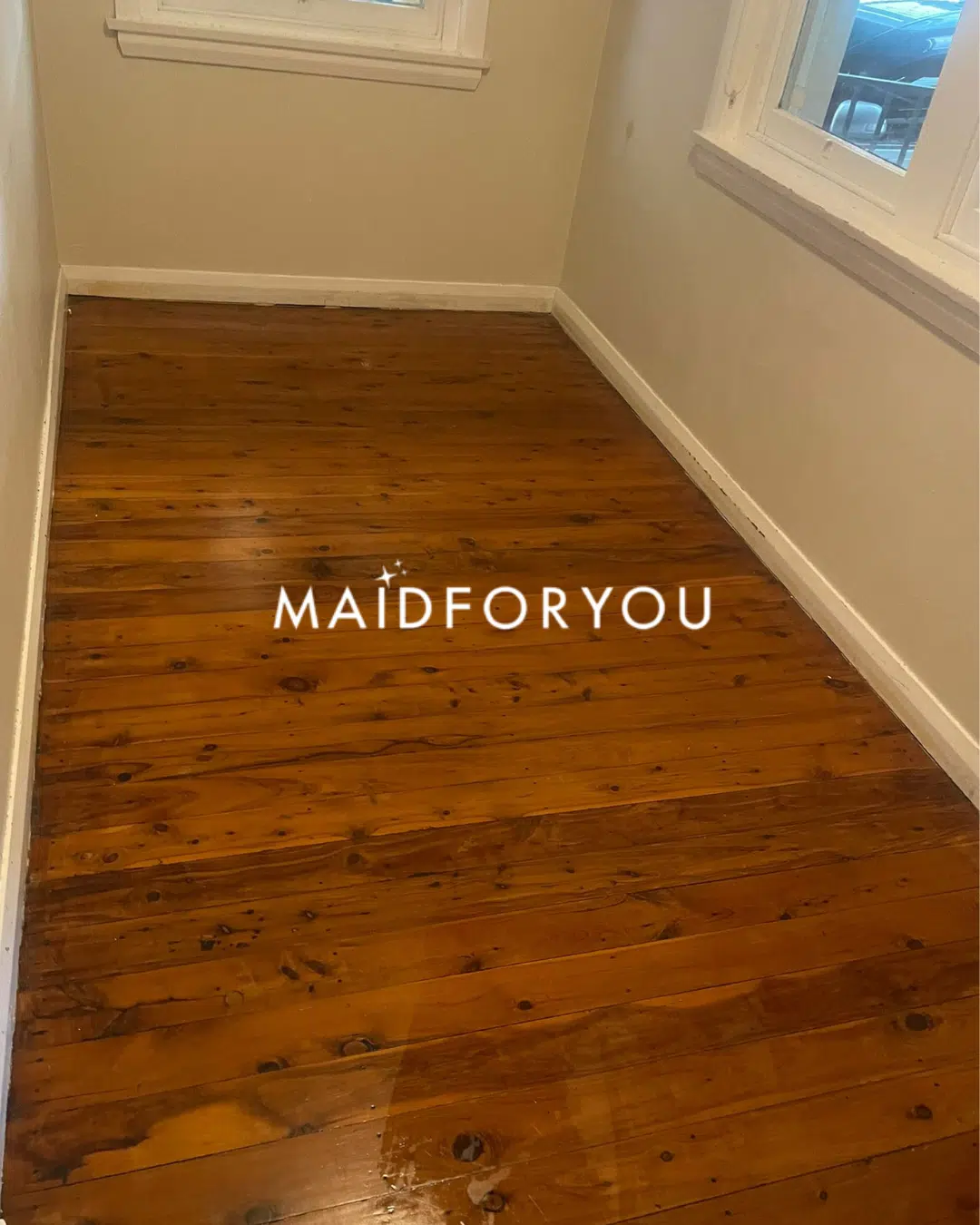
The Job:
A 3-bedroom house in Arncliffe, managed by a large agency that had not kept up to date with its rental inspections. The tenants had resided in the property for five years and had three young children who would often visit the property.
The challenge:
The property was old and not well looked after over the years. All the fixtures were dated, and there was damage throughout. Stray cats had used the courtyard of the property to urinate, which meant there was a considerable ammonia smell throughout the property.
What we did:
Our best bond cleaning team, Jonathan and Daniela, spent all day at the property. They disassembled the oven to clean the interior glass. They pressure-washed the porch and treated the concrete multiple times with an enzymatic cleaner and scrubbed with a hard-bristle brush to remove the ammonia smell.
They washed all the walls of the property and detailed the rangehood filters to ensure they were free from grease.
Total time on site: 12 hours with a two-person cleaning team.
The outcome:
The property passed its inspection, and the tenant immediately received their bond back in full with no deductions.
This is the reality of what a genuine, good bond clean involves. It’s not a deep clean; it’s a clean to restore a property to the state it was in prior to the tenants moving in.
The MaidForYou Bond Back Guarantee
At MaidForYou, we have a bond back guarantee for all residential end-of-lease cleans. It works as follows: If your property manager or agent identifies any issues that fall within our cleaning scope, we’ll return within 24 hours to clean the property again, no charge and no questions asked.
After 12 years and 700 reviews, our processes have aided thousands of Sydney customers in obtaining their rental bonds back in full.
Final Thoughts
In Australia, bond cleaning is a crucial step when moving out of a rental property. It can be a tedious task, but understanding what it’s all about and planning ahead can make the process much smoother.
Whether a bond clean is carried out by the tenants or a team of professional cleaners, the goal remains the same: meeting the cleanliness requirements outlined in the lease agreement. Basically, you are expected to return the property in the same condition it was in at the start of the tenancy, which includes cleanliness.
The most important thing we’ve learned as a business through our experience providing best-in-class end-of-lease cleaning services is that the difference between getting your full bond back and losing money usually trickles down to a few small issues that most people forget about or don’t know how to clean adequately.
These are things like mould in the silicone shower sealant, dust on ceiling fans, oil and grease at the top of kitchen cupboards, window tracks, and sliding door tracks.
When done correctly, an end-of-lease clean significantly increases your chances of receiving your full bond refund while maintaining a positive rental history.

Adriana Aziz is the operations manager at MaidForYou. With over 6 years of experience managing cleaning operations, she knows all the best hacks when it comes to cleaning residential and commercial buildings. With expert experience in managing house cleaning operations, interior design and logistics. She spends her free time with her family and as a freelance food critic.
As seen on...


We’re Committed To 200% Customer Satisfaction Each And Every Time
If you’re not happy with our work, we make it right!


Be the first to comment.