
Of all the items in the kitchen, the stove probably suffers the most from stains, spills, and grease. It’s the most common enemy for all homeowners. The mess is not that easy to clean, especially for ranges that have a glass top. Even if you only cook a few times a week, the stove can still collect residue for every meal you make.
To keep your stovetop looking pristine, you have to allocate time each week for deep cleaning. Every time you’re done with your cooking, make sure you do a wipe down to prevent oils and food spills from hardening. Cleaning your stove requires a little work. Here are some simple guides and tricks that will help you in cleaning your stovetop.
Gas stovetop
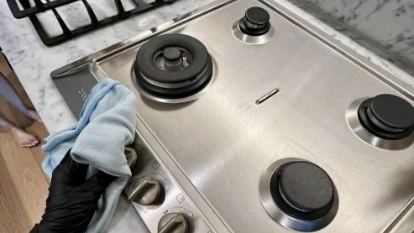
Gas stovetops are the most popular kind of stove that many homeowners use. It uses real flame for even and responsive heating. Gas stovetops usually have three parts: the grates, the burners, and the stove surface itself.
To begin the cleaning, you should start with the burners and grates. Remove them on your stove and pile them into your sink. If your burners and grates come in big sizes, then you may need to do it in batches. Relatively clean grates and burners only need thorough washing using water and soap.
Just remember to use a non-abrasive sponge to avoid stripping off the coating of these items. You can tell that it has already been clean by the way it looks and feels. There shouldn’t be grimy stains and not greasy when touched. If they are still dirty, you may need to repeat the washing.
In case the burners and grates are solidly dirty, then give them an initial wash using a soapy sponge. Make a cleaning solution using two parts of baking soda, 1 part of vinegar and a few drops of liquid dishwashing soap.
Apply the solution on the grates and burners and let it sit for twenty to thirty minutes. After that, wash it off with a soapy sponge and a little polishing. Make sure to dry them well once they’re clean.
Moving on to the stovetop surface, start with wiping it down with a damp cloth to collect bits and pieces of food. Get rid of the grease with a soft sponge and a dish soap.
For grease that has solidified, use the vinegar and baking soda mixture mentioned above and let the solution sit for fifteen to twenty minutes. Once the mixture has set, scrub the surface with a soapy sponge.
Use a clean cloth to dry the stovetop. Put the burners and grates back, and you’re done.
Electric stovetop

Electric stovetop looks like a gas stovetop, but instead of using gas, it uses electricity to cook using coil burners. There is no flame, which means it’s a safer way to cook. It’s ideal for families with small children.
To clean them properly, remove the coil burners and wash them with a soft sponge soaked in warm water and soap. Make sure you don’t get the electrical connections wet.
Rinse them with clean water and let it dry. Check if the plates under the burners are removable. If yes, then take them out and give them a quick rinse. Sprinkle some baking soda on the pans then carefully pour a boiling vinegar into them.
Let the mixture do the work for thirty minutes, then wipe with a wet cloth or sponge, then rinse. You may need to repeat the process as necessary. While the coils and plates are drying, wipe the rest of the electric stove with a damp cloth.
You can also use a soft scrubber with the help of baking soda and water paste. After all debris and grease are removed, wipe the surface with a dry clean cloth then re attaché the plates and coils.
Glass stovetop

Glass topped electric stoves have become a favoured choice over the years. One of its safety features is it can boil water while keeping the surface cool to touch.
It is almost unnoticeable on a kitchen counter because it is flat and smooth. The good thing about the glass stovetop is it’s easy to clean. After every meal, you just have to wipe down the flat surface. When it comes to tough stains and food buildup, spray the cool top with vinegar then sprinkle some baking soda on top of it. Then wet a clean cloth with hot water and place it on top of the glass surface and let sit for ten to fifteen minutes.
Then take away the towel and wipe the stovetop with a dry microfiber cloth. To clean the edges, you may use a scraper to target the stubborn buildups. Just remember not to press too hard, so you don’t damage the glass. Finish the cleaning by wiping the surface with a clean cloth.
Keeping the stove clean is necessary for health purposes. It’s not healthy to cook if the stovetop is dirty, as it can mean that there’s a bacteria buildup that may spoil your cooking. Also, it’s more comfortable to cook on a clean stove.
If you need help with a thorough cleaning of your stove or you need to keep your kitchen tidy in preparation for an event or you are too busy and have no time for cleaning, you may call a cleaning service. They’ll give you a hand in keeping your cooking space neat and sparkling while you spend time doing the things that need to be done.
Frequently Asked Questions
Does Vinegar Cut Grease On a Stovetop?
Yes! Vinegar can be used to clean many household surfaces including a stovetop with dry, stuck-on grease. Depending on the level of grime and grease present on the stovetop, diluted or full-strength vinegar can be used alone, or in combination with a minimal amount of lemon extract to increase its cleansing power. Vinegar is one of the safest natural cleaning ingredients, and is commonly used to clean different types of stovetops.
What Product Should I Use to Clean My Stovetop?
As a core ingredient, white vinegar is highly recommended for cleaning a gas or glass stovetop. There are many ways to clean a stovetop with vinegar such as combining the ingredient with baking soda, lemon extract, or warm water. You can also make a simple and effective daily DIY stovetop cleaner by mixing 2 parts water with 1 part white vinegar in a spray bottle; shake well and apply the solution to the surface before wiping the stovetop with a clean microfibre cloth.
Can I Use Oven Cleaner On My Glass Stovetop?
It is not advisable to use oven cleaner to clean a glass stove because most commercial products contain ammonia which is a rather harsh chemical to use on these types of cooktops. Furthermore, oven cleaning products generally leave a chemical residue on the surface that resembles water stains when the glass dries. A safe and effective alternative to oven cleaner is white vinegar.
How Do I Remove Water Stains From My Stovetop?
Since water stains are made up of mineral deposits, a substance that will dissolve the buildup is required – vinegar is widely recommended for this. To remove water stains from your stovetop, lay paper towels over the surface, and soak them with warm or hot vinegar; a spray bottle is handy for this. Allow the soaked paper towels to sit on the cooktop for about 30 minutes or so; during this time, the heated vinegar will break down the water stains. Finish off by removing the paper towels and wiping the stovetop with a dry, lint-free towel.
Can I Use Dishwashing Liquid to Clean My Stovetop?
Yes, dishwashing liquid is an effective cleaning agent for tackling grease and other buildup on stovetops. Among its many other uses, liquid dish soap is often diluted and used to clean cooktops as well as stove knobs. For best results, make a mild solution of dishwashing liquid and warm water, and use the solution to soak stovetop grease before scrubbing with a non-abrasive cleaning tool. For the knobs, soak them in a warm/hot soapy solution for 20-30 minutes; then clean manually with a sponge, and finish off with a rinse under running water.