
On this page
- Avoid steel wool, metal brushes and rough cloths, especially on plated brass
- Rub on linseed or mineral oil to slow tarnishing
Because of its golden shine and burnished glow, brass has an almost permanent place in our homes and in our hearts. It makes for durable locks and gears and it’s also great for doorknobs and even decorative items, too. But even while brass items are somehow timeless, they also need a little tender loving care. So let’s find out how we can clean and polish our brass items.
What you need to know

Before we get into the details of cleaning and polishing brass, first we have to understand what kind of material brass really is. Brass is basically an alloy made out of copper and zinc. It looks similar to bronze because both metals contain copper. However, bronze contains tin instead of zinc.
The zinc in brass makes it more malleable than bronze, which gives it the right hardness to be used for house decorations or low-friction items like locks, doorknobs, and some musical instruments.
How Do I Know Its Brass?
Of course, when you bought that metal fixture, you can’t really tell if it’s made out of brass, bronze or even copper (unless the seller explicitly tells you so).
But don’t worry, there’s an easy way for you to find out if your items are indeed made out of solid brass. Here’s the thing: magnets won’t stick to solid brass. So if you place a magnet (those sticking to your fridge will work just fine) onto the metal and it gets attracted to it, what you have is a brass-plated piece.
Brass-plated items are those made out of stainless steel or some sort of cheaper metal and are coated in brass to make it more durable and less prone to tarnishing.
So there is a different approach when it comes to cleaning brass-plated items compared to solid brass, or materials made out of other metals.
Tips For cleaning brass

At this point, I will be giving you some tips on cleaning brass and how to keep it looking shiny and bright.
Begin cleaning brass with warm water
Water is the universal cleaner. We use this to rinse off impurities on any surface and on ourselves, too! So it’s not really surprising to use warm water when cleaning brass. This can also apply to brass-plated items, too. Just be sure to fully dry out the goods with a microfiber or soft cloth.
Try soapy water, too
If your brassware needs a little more cleaning than simple water, try adding soap to it, too. You may gently scrub the surface using a sponge or even a toothbrush to remove stubborn stains. Rinse well and dry thoroughly afterwards.
For tougher stains, you can make your own brass cleaners at home

Tarnished brass is not fun to look at. Good thing there are affordable yet effective ways to clean brass and polish them, too. Here are just some of the homemade brass cleaners that you may whip up at any time to allow your brass furnishings to sparkle:
Ketchup, tomato sauce and tomato paste
Tomatoes are fairly acidic plants that can help remove tarnish not just in items made out of brass, but other metals, too! Apply a generous amount of the substance to your brass and leave it for at least an hour. Then wash it thoroughly with soap and water, and dry it thoroughly.
A mixture of equal parts of salt, flour, and vinegar
Once you mix these ingredients together, you’d end up with a paste that you can apply onto the brass just like ketchup to clean your brassware.
Salt and lemon
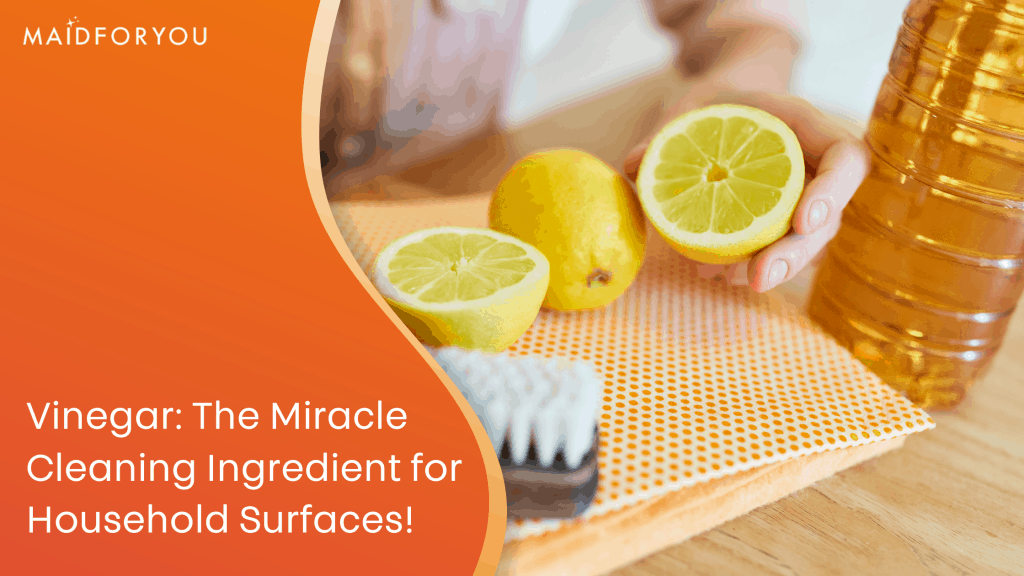
If you want that extra shine for your brass items, this combo might just be what you’re looking for. Polishing brass isn’t just a matter of keeping it clean but also making it glisten. What you need to do is simply get half a slice of lemon and apply a teaspoon of salt onto the fruit. Rub the salted lemon on the especially tarnished part of your brass and make sure to squeeze some juice out of it, too. Leave it on for a few minutes then rinse and dry.
Baking soda and lemon juice mixture
Polishing brass can also be done through a mixture of lemon juice and baking soda. This also creates some sort of paste that can be applied to a stubborn stain or a tarnish with the use of a soft cloth. Leave the paste on for at least half an hour then rinse with warm water and dry. You may repeat this as necessary.
Use commercial metal cleaners

Now if you don’t really want to experiment with home remedies or if you’re just not confident that they would work with your kind of brass problems, then it’s time to bring out the big guns, this will require a little bit of elbow grease.
There are a lot of brass cleaners out in the market today but here are just some of our suggestions:
- Best overall brass cleaner: Wright’s Brass and Copper Cream
- Best brass cleaner & polisher: Noxon 7 Liquid Metal Polish
- Best gentle brass cleaner: Weiman Brass and Copper Polish
If all else fails, ask for professional help

We have to know when to give up. And sometimes, we really can’t reach or do anything about some brass fixtures that really need some deep cleaning, especially when it comes to automotive gear or sometimes musical instruments. At this point, we recommend you to contact your local brass cleaners or bring your item to a pro for help.
Things to Remember:
- Avoid rough scrubbing cloths, metal brushes, or steel wool. Remember that brass is also a highly malleable metal, so be gentle. Rub it enough so that your brass is polished but don’t scratch its surface! This is especially true for brass-plated items because you’d risk removing the brass coating itself. This reminder also applies to brass items with a lacquer finish. If you really need to clean and polish your brassware, just be sure to have extra lacquer or varnish in hand if you need to reapply an extra safety coating to make sure that its shine will last longer.
- Apply a healthy amount of linseed oil or mineral oil to prevent tarnishing. Tarnished brass is almost always a result of oxidation or rust. Metal corrodes if it comes into contact with oxygen or other chemicals that form a reaction, which can make your item brittle. So linseed or mineral oil protects your brass goods from coming into contact with unwanted chemicals to keep it from corroding.
- You are probably the main reason why your brass item is tarnishing so much. As mentioned earlier, brass and other metals tarnish when it gets exposed to other chemicals, this includes your hands, too. So if you’re wondering why your doorknobs or some of your brass handles at home are quick to tarnish, then your hands might be the culprit! There’s really nothing you can do about this but probably coat it with oil or make sure to clean these highly-exposed items regularly so you can keep the corrosion in check.
- You can choose to let your brass items age gracefully, instead of having to polish it every single time. Brass can still look pretty even with a layer of tarnish. In fact, tarnish can actually be good, too. In the form of a patina, tarnishing can preserve the rest of the metal inside the item making it last longer.
No matter how durable your furniture or other fixtures are, their lifespan depends on how well they are taken care of. So keep these tips recommended by MaidForYou to maximise the usability of your items. But at the end of the day, these are still just material things and if it’s already broken or beyond repair and cleaning, time to say your thanks and replace them.
If the item is pewter rather than brass
Pewter is a different alloy, so do not use the brass recipes in this guide on it. For routine care, gently wash with mild soapy water, rinse and dry with a soft cloth. Avoid abrasive scrubbing and use only care products approved for the item’s finish. Antiques or pieces with delicate fittings need specialist advice before polishing. See Royal Selangor’s pewter care guidance and your item’s own instructions.
When to call a professional
Warm soapy water and homemade pastes deal with everyday tarnish, but heavily corroded pieces, lacquered brass, musical instruments and automotive parts are better left to a specialist brass cleaner. Taking an item to a professional also avoids the risk of scrubbing through brass plating or damaging a finish you cannot replace.